

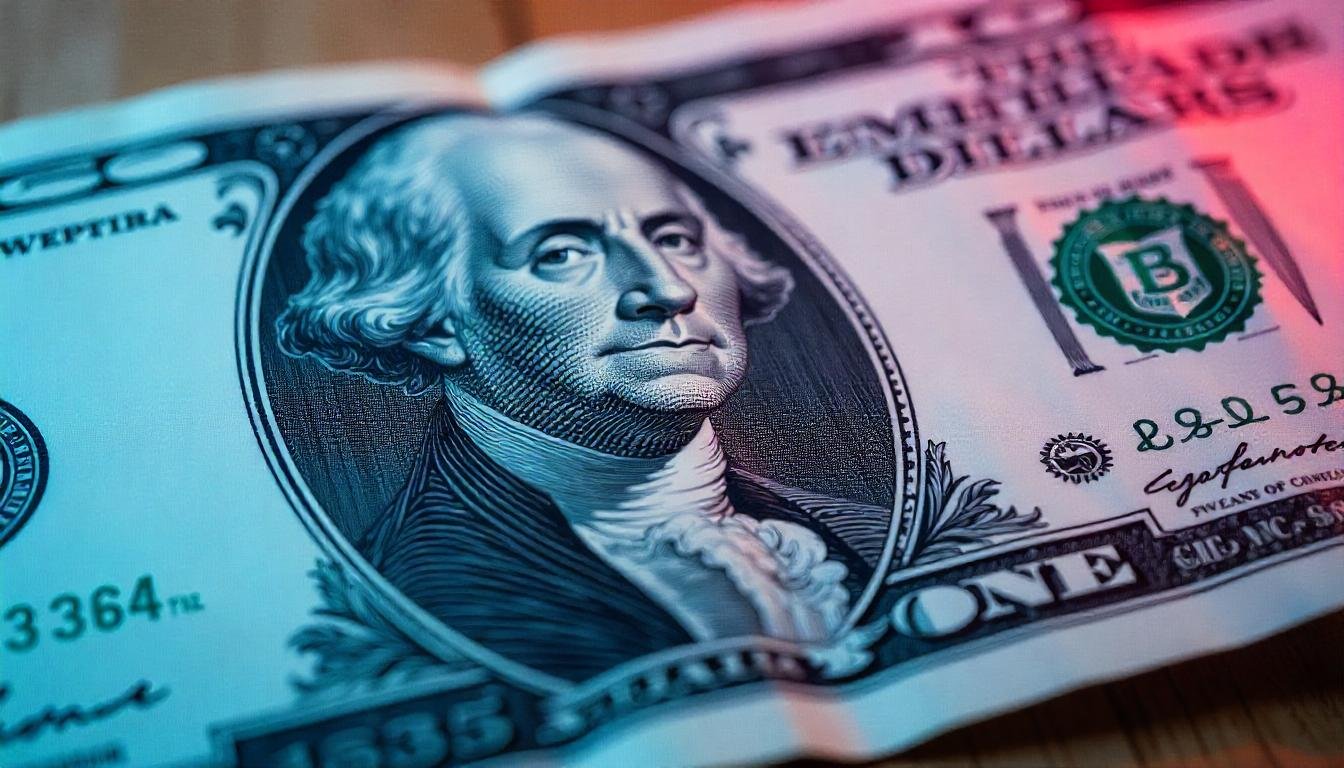
Dolar: A Comprehensive Guide for Beginners and Experts
The term dolar is commonly recognized as the currency used in several countries, most notably the United States, where it is officially referred to as the “dollar.” However, many other countries also use the term “dolar” or its variations, such as Canada, Australia, and even some Latin American nations. Whether you’re a traveler, investor, economist, or just curious, understanding what the dolar represents, how it functions, and why it’s significant can offer valuable insights into the global economy.
This guide will take you through the fundamental and advanced aspects of the dolar, covering its origins, value fluctuations, impact on international trade, and much more. You’ll find structured information with bullet points, lists, comparisons, and real-world examples to make complex topics easy to grasp.
What is the Dolar?
The dolar is a form of fiat currency, which means its value is not backed by a physical commodity like gold or silver but rather by the trust and authority of the issuing government. It is a medium of exchange used for goods and services and plays a pivotal role in international finance.
Countries That Use a Currency Called “Dolar”
-
United States (USD)
-
Canada (CAD)
-
Australia (AUD)
-
New Zealand (NZD)
-
Hong Kong (HKD)
-
Singapore (SGD)
-
Taiwan (TWD)
-
Several Caribbean and Pacific nations
Key Characteristics
-
Fiat currency: Not backed by a commodity.
-
Divisible: Typically broken down into 100 cents.
-
Globally traded: Especially the U.S. dolar, which is the most traded currency in the world.
-
Regulated: Controlled by central banks like the Federal Reserve or the Bank of Canada.
The History of the Dolar
The term “dolar” has European origins. It comes from the Joachimsthaler, a silver coin used in 16th-century Bohemia (now part of the Czech Republic). Over time, this evolved into the “thaler,” which influenced the word “dollar” in English and “dolar” in many other languages.
Evolution of the Dolar:
-
1500s: Joachimsthaler minted in Europe.
-
1700s: Spanish dollar became a widely accepted global currency.
-
1792: The U.S. Congress adopted the dollar as the official currency.
-
20th Century: The U.S. dolar became the world’s reserve currency after World War II.
-
Modern Day: Dolar now refers to various national currencies, often symbolized with “$”.
Why Is the Dolar So Important?
The dolar—especially the U.S. dollar—holds a central role in the world economy due to several reasons:
-
Global reserve currency: Held by central banks worldwide.
-
Oil and commodities priced in USD: Known as the petrodollar system.
-
Dominance in international trade: Over 60% of global foreign exchange reserves are held in USD.
-
Safe haven asset: Investors flock to the dolar during global crises.
How Is the Value of the Dolar Determined?
Several factors influence the value of the dolar. These include economic indicators, market sentiment, political stability, and monetary policy.
Major Determinants:
-
Interest Rates: Higher rates attract foreign investors.
-
Inflation: Low inflation usually strengthens the dolar.
-
Trade Balances: A surplus typically boosts the currency.
-
Government Debt: Excessive debt can devalue a currency.
-
Central Bank Actions: Federal Reserve decisions directly impact the dolar’s value.
Comparison Table: U.S. Dolar vs Other Major “Dolar” Currencies
| Feature | U.S. Dolar (USD) | Canadian Dolar (CAD) | Australian Dolar (AUD) |
|---|---|---|---|
| Central Bank | Federal Reserve | Bank of Canada | Reserve Bank of Australia |
| Symbol | $ | C$ or CAD | A$ or AUD |
| Reserve Currency Status | Yes | No | No |
| Global Usage | Very High | Moderate | Moderate |
| Pegged Countries | Many | Few | Few |
| Commodity Exposure | Moderate | High (oil) | High (minerals) |
Real-World Examples of Dolar in Action
1. Currency Exchange
A traveler from Europe exchanging euros for U.S. dolars will get a rate determined by the forex market. If the EUR/USD rate is 1.10, then €1 will get $1.10.
2. International Trade
When countries like China export goods to the U.S., they often receive payment in dolars. This reinforces the dolar’s position as a trade standard.
3. Investments
Global investors buy U.S. treasury bonds in dolars because they are considered low-risk. This demand strengthens the dolar’s value.
Types of Dolar-Based Assets
Understanding the forms in which the dolar can exist helps clarify its utility:
-
Physical Cash: Notes and coins.
-
Bank Deposits: Held in checking or savings accounts.
-
Digital Currency: USD-backed stablecoins like USDC or USDT.
-
Securities: Treasury bonds, corporate debt.
-
Derivatives: Futures and options priced in dolars.
How to Monitor the Dolar’s Strength
If you’re an investor or trader, watching the dolar’s movement is crucial. You can monitor the dolar index (DXY), which compares the dolar to a basket of other major currencies.
Tools to Track Dolar Value:
-
DXY Index
-
Forex platforms (e.g., MetaTrader, TradingView)
-
Central bank reports
-
Economic calendars (for GDP, CPI, etc.)
Benefits and Drawbacks of a Strong Dolar
Benefits:
-
Cheaper imports
-
Lower inflation
-
Greater global buying power
Drawbacks:
-
Reduced export competitiveness
-
Lower foreign investment in U.S. companies
-
Negative effects on emerging markets with dolar-denominated debt
Strategies to Hedge Against Dolar Fluctuations
-
Diversify Currency Holdings
-
Use Currency ETFs
-
Invest in Hard Assets (Gold, Real Estate)
-
Enter Forward Contracts or Options
Role of Cryptocurrencies in the Dolar Landscape
While the dolar remains dominant, digital currencies have started to challenge traditional monetary systems. USD-pegged stablecoins like Tether (USDT) and USD Coin (USDC) have grown in popularity as they combine the stability of the dolar with the flexibility of crypto.
Conclusion
The dolar is more than just a currency; it is a cornerstone of the global economic system. From its origins in 16th-century Europe to its current role as the world’s reserve currency, the dolar has maintained its influence through innovation, trust, and wide acceptance.
Understanding how the dolar works, what affects its value, and how it impacts everyday life equips you with the knowledge to make informed financial decisions. Whether you’re trading forex, traveling internationally, or simply reading financial news, the dolar plays a role in shaping your financial reality.
FAQs About the Dolar
What is the difference between “dolar” and “dollar”?
They refer to the same concept. “Dolar” is often used in non-English-speaking countries or as an alternative spelling, while “dollar” is the standard English form.
Why is the U.S. dolar considered a global currency?
Because it is widely used in international trade, held in central bank reserves, and trusted globally due to the stability of the U.S. economy.
How does inflation affect the value of the dolar?
High inflation reduces the purchasing power of the dolar, making it less valuable domestically and sometimes internationally.
Can the dolar be replaced as the world’s reserve currency?
In theory, yes. In practice, it’s difficult due to the dolar’s deep-rooted infrastructure and trust. However, currencies like the euro or Chinese yuan have been considered alternatives.
What is the dolar index (DXY)?
The DXY measures the value of the U.S. dolar against a basket of six major foreign currencies, including the euro, yen, and pound. It’s a useful indicator of dolar strength or weakness over time.