
Dolar in the Global Economy: Importance, Exchange, and Real-World Uses
The dolar, often synonymous with “dollar” in many contexts and languages, plays a pivotal role in global finance. While “dolar” may refer to different currencies across various countries, it is most commonly associated with the United States Dollar (USD). This guide explores the history, usage, significance, and variations of the dolar, offering deep insights suitable for both beginners and advanced readers.
What Is the Dolar?
The dolar is a widely used currency name adopted by numerous countries around the world. While the spelling “dolar” is common in non-English-speaking nations, such as Turkey, Poland, or Spanish-speaking countries, it typically refers to the dollar, a fiat currency used in global markets.
Examples of countries using a “dolar” denomination:
-
United States (United States Dollar – USD)
-
Canada (Canadian Dollar – CAD)
-
Australia (Australian Dollar – AUD)
-
Singapore (Singapore Dollar – SGD)
-
New Zealand (New Zealand Dollar – NZD)
In some regions, such as Turkey or Latin America, people refer to the U.S. dollar as “dolar”, reflecting localized spelling conventions.
History of the Dolar
The dolar has a long and influential history. The term itself originates from the German word “Thaler,” a large silver coin used in Europe during the 16th century. Eventually, the name evolved into “dollar” and became associated with the Spanish pesos used in the Americas during the colonial period.
Key historical moments:
-
1792 – The Coinage Act established the U.S. dollar as the official currency of the United States.
-
1944 – The Bretton Woods Agreement made the U.S. dollar the world’s primary reserve currency.
-
1971 – The U.S. abandoned the gold standard, allowing the dolar to float freely in currency markets.
-
21st Century – The dolar remains dominant in international trade, oil pricing, and foreign reserves.
Major Types of Dolar Currencies Around the World
| Country | Currency Name | ISO Code | Pegged to USD | Notes |
|---|---|---|---|---|
| United States | U.S. Dollar | USD | No | Most traded currency globally |
| Canada | Canadian Dollar | CAD | No | Known for resource-driven economy |
| Australia | Australian Dollar | AUD | No | Popular in forex due to stability |
| Hong Kong | Hong Kong Dollar | HKD | Yes | Pegged in a tight band to USD |
| Singapore | Singapore Dollar | SGD | No | Managed float system |
| Bahamas | Bahamian Dollar | BSD | Yes | Maintains parity with U.S. dollar |
| East Caribbean | East Caribbean Dollar | XCD | Yes | Used by 8 island nations |
Why the Dolar Matters in the Global Economy
The dolar, especially the U.S. dollar, holds unique importance due to several factors:
-
Reserve Currency Status: Over 60% of global foreign reserves are held in dollars.
-
International Trade: Most commodities (like oil and gold) are priced in dollars.
-
Safe Haven Asset: Investors often flock to the dolar during times of crisis.
-
Influence on Exchange Rates: Other currencies often fluctuate based on the dolar’s strength.
These factors combine to give the dolar outsized influence in global economic stability and decision-making.
How the Dolar Affects Everyday Life
The dolar influences ordinary citizens in subtle and overt ways:
-
Import Prices: A strong dolar can make imports cheaper.
-
Travel Costs: Tourists may find foreign travel more or less expensive based on dolar value.
-
Online Purchases: Many international transactions are priced in dolar.
-
Remittances: Workers sending money to family abroad often do so in dolar.
For countries experiencing currency devaluation, citizens may even begin using the dolar unofficially for daily transactions to preserve purchasing power.
Currency Conversion: Understanding Dolar Exchange Rates
Currency exchange involves converting one currency into another based on current rates. The value of the dolar fluctuates due to factors such as:
-
Interest Rates
-
Inflation Data
-
Political Stability
-
Trade Balances
-
Market Speculation
Example:
If the USD/TRY exchange rate is 30.00, it means 1 U.S. dolar equals 30 Turkish Lira.
Tips for Better Conversion:
-
Use official exchange platforms or central banks.
-
Avoid airport kiosks due to high fees.
-
Monitor economic news for major announcements.
Investing and Saving in Dolar
The dolar is considered a reliable currency for saving and investing, particularly in volatile economic environments.
Investment options using the dolar:
-
Dollar-based savings accounts
-
U.S. treasury bonds
-
Stock market indices like the S&P 500
-
Dollar-denominated ETFs and mutual funds
Why investors prefer the dolar:
-
Global trust in the U.S. financial system
-
High liquidity and convertibility
-
Relatively low inflation compared to other currencies
Common Misconceptions About the Dolar
-
All dolars are the same
Not true — each country has its own version with different values and policies. -
The dolar always retains value
While stable, it’s still subject to inflation and monetary policy changes. -
Only the U.S. uses the dolar
False — many other countries either peg their currency to the dolar or use it officially/unofficially. -
Cryptocurrencies will replace the dolar soon
This is speculative and not currently supported by economic structures.
Real-World Example: The Dolar in Emerging Markets
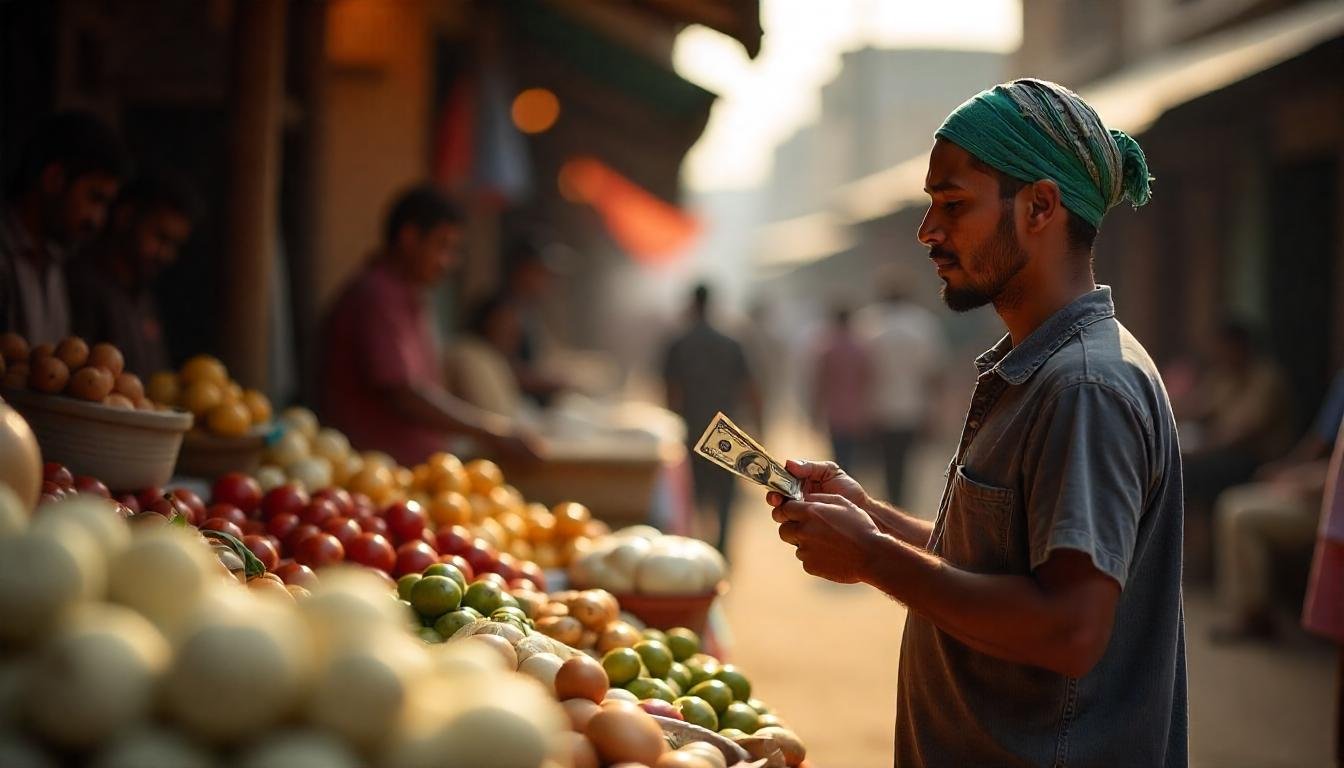
In countries like Venezuela, Zimbabwe, or Argentina, local currencies have suffered severe inflation. As a result, citizens often rely on the dolar for:
-
Savings accounts
-
Pricing real estate or cars
-
Daily transactions in border areas
This phenomenon is known as dollarization—where the dolar becomes the de facto medium of exchange.
Pros and Cons of Using the Dolar
Advantages:
-
Stability and predictability
-
Global acceptability
-
Facilitates international trade
-
Easy to convert
Disadvantages:
-
Dependency on U.S. policies
-
Vulnerability in non-U.S. economies
-
Fluctuating value impacts foreign debt
How to Protect Yourself from Dolar Fluctuations
-
Diversify currency holdings
-
Hedge using forex tools
-
Stay updated with economic indicators
-
Avoid panic conversions during crises
-
Use forward contracts for large payments
Summary and Final Thoughts
The dolar is much more than just paper currency — it’s a symbol of global finance, a medium of exchange, and an anchor in economic uncertainty. Whether you’re a beginner trying to understand foreign exchange or an investor watching international trends, knowing how the dolar works is essential. From its history to its modern-day applications and impact on global trade, the dolar remains one of the most powerful financial instruments today.
Understanding its role, strengths, and limitations enables individuals and businesses to make smarter financial decisions across borders.
Frequently Asked Questions (FAQs)
1. What is the difference between “dolar” and “dollar”?
“Dolar” is a spelling variation used in many non-English-speaking countries, while “dollar” is the English term. Both usually refer to the same concept, especially the U.S. dollar.
2. Why do countries peg their currencies to the dolar?
Countries peg to the dolar to stabilize their own currency, reduce exchange rate risk, and attract foreign investment.
3. Can I hold savings in dolar outside the U.S.?
Yes, many banks around the world offer dolar-denominated accounts, especially in countries with unstable local currencies.
4. Is investing in dolar a good idea during inflation?
Often, yes. The dolar is considered a hedge against local currency devaluation and inflation in many economies.
5. Which currency is stronger than the dolar?
Currencies like the Kuwaiti Dinar (KWD) or Bahraini Dinar (BHD) are stronger in nominal terms, but the dolar has more global influence and liquidity.