

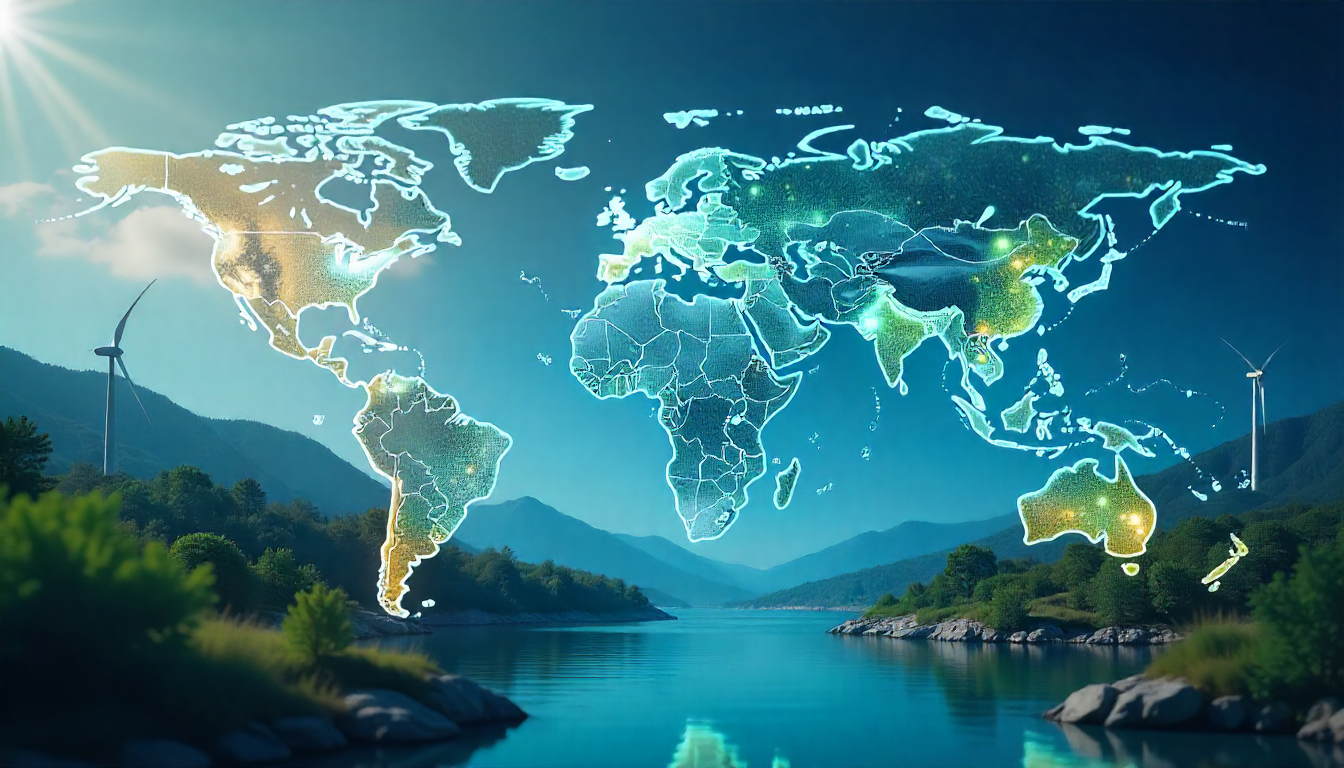
x22 report: Future of Renewable Energy – Global Insights & 2025 Trends

As the world grapples with the dual crises of climate change and energy security, the x22 report shines a spotlight on a transformative shift: the future of renewable energy. From breakthroughs in clean energy tech to game-changing policies and global investments, the transition is not only accelerating—it’s becoming unstoppable. This report explores the key innovations, economic shifts, and environmental impacts reshaping the planet’s energy landscape.

Whether you’re a policymaker, investor, or simply curious about what’s next, this comprehensive guide delivers powerful insights into the road to 2030 and beyond. The future of renewable energy is no longer a distant vision—it’s unfolding right now.


Global Innovations in Renewable Technology

The renewable energy sector has seen extraordinary technological advancement in the past decade. These innovations are not just making renewables more efficient—they’re making them the most cost-effective and scalable sources of energy on the planet.

Solar Power Advances

Solar energy remains at the forefront of the renewable revolution. New materials like perovskite solar cells are significantly improving solar panel efficiency, with some lab results achieving over 30% conversion rates, far higher than traditional silicon-based panels. Another major trend is the rise of floating solar farms, which optimize unused water surfaces while reducing land-use conflicts and evaporation.

In places like Japan and the Netherlands, floating solar systems are gaining traction. These installations cool the panels naturally, improving performance. Moreover, bifacial solar panels, which capture sunlight on both sides, are adding another layer of productivity. All of these technologies are rapidly bringing down the levelized cost of solar power, making it a cornerstone of the future of renewable energy.

Offshore and Onshore Wind Developments

Wind energy has also experienced a major leap, particularly offshore. New turbine designs—some as tall as skyscrapers—are now capable of generating more energy with fewer installations. Floating wind farms are enabling wind energy development in deeper waters where fixed foundations were once impossible. The North Sea, for example, is a leading hub for offshore innovation.

Meanwhile, onshore wind continues to expand in Asia and Latin America, offering low-cost electricity that can compete directly with coal. The integration of AI and sensors allows predictive maintenance, reducing downtime and increasing efficiency. All signs point to wind playing a critical role in global energy security.

Hydropower and Tidal Innovations

Hydropower remains a reliable source of baseload renewable energy, but innovation has shifted toward minimizing environmental impact. Small-scale hydro and run-of-river systems are being adopted more widely, particularly in mountainous or remote regions. Unlike traditional dams, these systems require less land and cause less ecological disruption.

Tidal energy, although still in early stages, is gaining momentum. Projects like Scotland’s MeyGen tidal array show promising output with predictable energy generation, an advantage over intermittent sources. Combined with pumped hydro storage, this sector offers a renewable solution to grid reliability.

Bioenergy and Biomass Technology

Bioenergy is becoming more refined and sustainable. Instead of relying on deforestation or crop-intensive sources, modern bioenergy focuses on waste-to-energy systems, algae-based fuels, and advanced anaerobic digestion techniques. Biomass plants now convert agricultural waste, forest residues, and even municipal solid waste into electricity or heat with much lower emissions.

This approach is especially valuable for countries with large agricultural sectors, offering both energy independence and waste management. Although debates continue over the carbon neutrality of biomass, new carbon capture integration is helping mitigate emissions.


Government Policies Driving Change Around the World

Public policy is the engine behind the clean energy shift. With climate urgency mounting, governments across continents are crafting ambitious energy plans, subsidies, and mandates that are changing the game for renewables.

United States Policy and Investment Landscape

The U.S. has made significant strides with the Inflation Reduction Act (IRA), which includes $369 billion for climate and clean energy programs. The law provides long-term tax credits for solar, wind, battery storage, and even green hydrogen. These incentives are designed to attract private investment and boost domestic manufacturing of renewable technologies.

The Department of Energy’s Loan Programs Office has also ramped up funding for innovative clean energy projects. As a result, many states—especially California, Texas, and New York—are leading massive grid modernization and renewable infrastructure upgrades.

European Union Directives and Targets

The European Union remains a global leader in climate policy, with its Green Deal and Fit for 55 package aiming to reduce emissions by at least 55% by 2030. Through instruments like the EU Emissions Trading System (ETS) and a strong carbon pricing mechanism, the EU incentivizes industries to shift toward greener practices.

Member states like Germany, Spain, and Denmark are achieving significant renewable capacity expansion, particularly in wind and solar. Furthermore, the REPowerEU initiative seeks to reduce dependence on Russian fossil fuels by rapidly deploying clean energy sources across the continent.

Asia-Pacific (Australia, China, India) Climate Policy

The Asia-Pacific region is a study in contrasts—but also in immense opportunity. China, the world’s largest emitter, is also the largest investor in renewables, contributing nearly 40% of global clean energy investment in 2023. It leads in solar panel manufacturing, battery storage, and electric vehicle infrastructure.

India, meanwhile, has committed to achieving 500 GW of non-fossil fuel capacity by 2030. Its International Solar Alliance fosters global cooperation. Australia is also undergoing a rapid pivot, with new legislation targeting 82% renewables in its national grid by 2030.

Incentives, Subsidies and Carbon Pricing

Financial tools are proving to be strong levers. Feed-in tariffs, renewable portfolio standards, and production tax credits have fueled growth across sectors. More countries are implementing carbon taxes or cap-and-trade systems, forcing industries to internalize environmental costs.

Notably, over 60 carbon pricing initiatives are active worldwide, according to the World Bank’s 2024 report. These market-based approaches not only cut emissions but generate public revenue to reinvest in clean infrastructure.
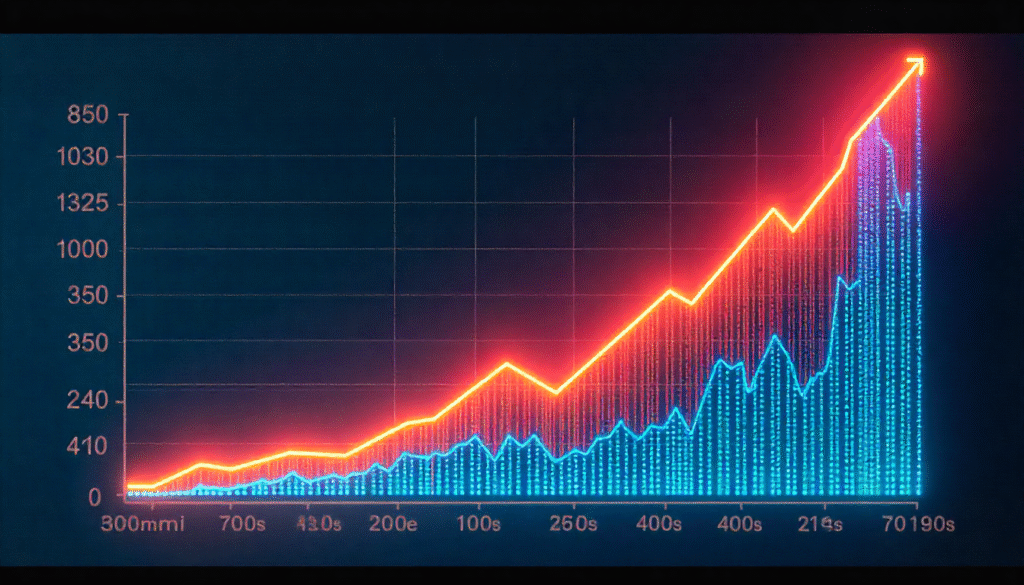

Economic Impact of Renewable Energy Growth

Beyond climate benefits, the renewable energy surge is transforming economies. From job creation to global competitiveness, the financial implications are massive—and mostly positive.

Job Creation, GDP and Investment Trends

The clean energy economy is already a job engine. According to IRENA, the sector employed 13.7 million people globally in 2023, up from 12 million in 2021. Most of these jobs are in solar, wind, and hydropower, with energy efficiency and battery manufacturing close behind.

As countries invest in local production, the renewable supply chain becomes a domestic growth opportunity. Clean energy-related investments are also reshaping national GDPs. In the U.S. alone, clean tech investment exceeded $270 billion in 2024, contributing significantly to the post-pandemic recovery.

Cost Competitiveness vs Fossil Fuels

Renewables are now the cheapest form of new power in over 80% of the world, according to BloombergNEF. Solar and wind costs have dropped over 80% in the past decade, making them more cost-effective than coal or gas in most markets.

This shift is disrupting traditional energy utilities, many of which are either pivoting toward renewables or facing obsolescence. Even without subsidies, solar and wind are winning on pure economics, solidifying their role in the future of renewable energy.

Private vs Public Funding Dynamics

While public investment kickstarted the transition, private capital is now pouring in. Green bonds, ESG-focused venture capital, and clean energy ETFs are channeling funds toward scalable solutions. In 2024, global private investment in renewables hit $500 billion, a record high.

However, public finance still plays a critical role in de-risking early-stage technologies or serving markets where private capital is scarce. Strategic partnerships between governments and the private sector will define how fast the transition scales globally.


Environmental Benefits and Climate Impacts

The environmental case for renewables is strong. By replacing fossil fuels, clean energy sources directly reduce pollution and carbon emissions, offering tangible health and ecological gains.

Carbon Emission Reductions

Transitioning to renewables is the fastest path to decarbonization. The IEA reports that clean energy prevented over 2.5 gigatons of CO₂ emissions in 2023 alone. As more countries phase out coal and gas, global emissions could peak before 2030—a critical milestone in limiting warming to 1.5°C.

Renewable energy also supports carbon-negative technologies, such as direct air capture powered by wind or solar, helping achieve net-zero goals.

Ecosystem and Biodiversity Effects

Traditional fossil fuel extraction devastates ecosystems. Renewables, while not impact-free, tend to have lower long-term ecological disruption. Careful siting and community-based planning ensure wind and solar farms do not interfere with wildlife corridors or marine life.

Hydro and biomass require more caution, but new designs focus on fish-friendly turbines and sustainable feedstock sourcing, balancing energy needs with biodiversity protection.

Public Health and Air Quality Improvements

Perhaps the most immediate benefit is cleaner air. Burning fossil fuels is a leading cause of respiratory illness, especially in urban areas. Renewable energy significantly reduces pollutants like SO₂ and NOx, contributing to lower asthma rates, fewer hospital visits, and improved overall public health.

In fact, the World Health Organization estimates that shifting to clean energy could save 7 million lives annually by reducing air pollution.


Real-World Examples and Case Studies

Global success stories highlight how renewables are already working at scale. These projects offer valuable blueprints for future deployments.

Real-World Examples and Case Studies

To truly understand the future of renewable energy, it’s crucial to observe how theory translates into action. Across continents, ambitious renewable energy projects are already redefining national energy systems. These real-world examples serve as models of what is possible when technology, policy, and investment align.

Solar Megaprojects

Countries with vast sun-rich terrains are leading the charge with large-scale solar farms. One standout example is India’s Bhadla Solar Park, which spans over 14,000 acres in Rajasthan and generates more than 2,245 megawatts (MW) of electricity. This facility alone powers millions of homes and has positioned India as a global solar leader.

In the United Arab Emirates, the Mohammed bin Rashid Al Maktoum Solar Park is projected to reach a staggering 5,000 MW capacity by 2030. These mega-installations prove that solar power can meet industrial-scale energy demands while significantly reducing carbon emissions.

What’s notable about these projects is their use of cutting-edge tech, such as robotic panel cleaning, AI-powered monitoring, and high-efficiency panels. These innovations lower maintenance costs and maximize energy output, making solar more attractive than ever before.

Wind Farms and Offshore Ventures

The North Sea has become a global hotspot for offshore wind development, with countries like the UK, Denmark, and the Netherlands investing heavily. The Hornsea Project off the coast of England is currently the world’s largest offshore wind farm, with plans to expand capacity beyond 6 GW—enough to power over 4 million homes.

In the U.S., the Vineyard Wind project in Massachusetts marks a turning point in offshore wind. It combines large-scale turbines with sustainable siting practices that minimize impacts on marine life and fishing industries.

Onshore wind is no less significant. Countries like Brazil, Turkey, and Vietnam have rapidly scaled up their wind sectors, often supplementing solar with hybrid renewable systems that ensure 24/7 power availability.

Hydro + Bioenergy Projects in Developing Nations

Hydropower remains the most established renewable source in developing countries. Nations such as Ethiopia and Nepal are harnessing their river systems to provide stable energy to rural populations. The Grand Ethiopian Renaissance Dam (GERD), although controversial, is a powerful example of how hydro projects can boost energy access in underserved regions.

Bioenergy projects are also making waves. In Kenya, the Mukuru Clean Stoves Project helps reduce reliance on charcoal by using locally produced biomass briquettes. This reduces indoor pollution while creating jobs and conserving forests.

These cases underscore how renewable energy isn’t just for the wealthy—it’s a lifeline for developing economies aiming to leapfrog into sustainable growth.


Future Predictions and 2030+ Trends

What does the road to 2030 and beyond look like? Based on current investments, technological breakthroughs, and policy momentum, the future of renewable energy appears both ambitious and achievable. Let’s explore the trends shaping the next decade.

Forecasted Capacity Growth by 2030

According to the International Energy Agency (IEA), renewable energy will account for over 90% of global electricity capacity growth between now and 2030. Solar and wind are expected to dominate, with projected capacities of 1,500 GW and 1,200 GW, respectively.

Emerging economies, particularly in Africa and Southeast Asia, will contribute significantly to this growth. As costs drop and access to finance improves, these regions are poised to be renewable growth engines.

Storage capacity will also grow exponentially, with battery storage expected to hit 680 GWh by 2030. This will be critical for integrating intermittent energy sources and ensuring grid stability.

Emerging Green Technologies

One of the most promising technologies is green hydrogen, produced using electrolysis powered by renewable electricity. This clean fuel has applications across sectors, including transportation, steel, and aviation. Countries like Germany, Japan, and Saudi Arabia are making early moves to dominate the hydrogen economy.

Another key innovation is energy storage, particularly next-gen lithium-ion batteries and flow batteries. These systems offer longer duration and lower degradation, making them vital for round-the-clock clean power.

Carbon capture and utilization (CCU), though still in early stages, may also play a role in hard-to-decarbonize sectors. When powered by renewables, CCU can help achieve negative emissions.

Digitalization and Smart Grid Integration

Smart grids are the digital backbone of the renewable energy future. They use AI, IoT, and machine learning to balance supply and demand, forecast energy use, and even trade power peer-to-peer.

Countries like South Korea and Finland are pioneering smart energy systems that integrate rooftop solar, home batteries, and electric vehicle (EV) charging. The result? A flexible, resilient energy system capable of weathering blackouts and price spikes.

Digital platforms also allow consumers to track their energy usage and carbon footprint in real-time, empowering behavior change and efficiency.

Global Investment Outlook to 2035

The World Bank estimates that the world needs $1.3 trillion annually in clean energy investment to meet net-zero goals. Encouragingly, 2024 saw over $600 billion invested—halfway to the target.

By 2035, investment in renewables is expected to surpass fossil fuels permanently. This capital influx will fund not only generation projects but also grid upgrades, rural electrification, and training programs to build a skilled workforce.

Green finance mechanisms, including sustainability-linked loans, carbon credits, and impact investing, are becoming standard tools for climate-aligned portfolios.


Challenges and Barriers to Expansion

Despite progress, several roadblocks threaten the speed and scale of the renewable transition. Understanding these challenges is critical to overcoming them strategically.

Grid Integration and Storage Limits

One of the biggest technical hurdles is integrating variable energy into existing grids. Solar and wind are intermittent—meaning they don’t produce energy all the time. Without sufficient storage or demand response systems, excess power can be wasted or cause grid instability.

Upgrading grid infrastructure is also expensive. Many transmission lines are outdated and not designed for decentralized energy input. Countries must invest in smart grid tech and distributed energy systems to manage the growing complexity.

Battery supply chains remain a concern too, as rare earth materials like lithium, cobalt, and nickel are in high demand and limited supply.

Political and Regulatory Risks

Policy reversals, slow permitting, and inconsistent regulations continue to plague the industry. For example, wind projects in Mexico and South Africa have faced delays due to political disputes or lack of clear frameworks.

In some countries, fossil fuel subsidies still outweigh renewable incentives, distorting the energy market. Geopolitical instability can also disrupt global supply chains for critical components like solar panels and turbines.

To overcome this, nations need stable, long-term policy commitments and transparent regulatory environments.

Supply-Chain and Material Constraints

The renewable sector is not immune to resource bottlenecks. The push for electrification is straining global supplies of key materials like copper, silicon, and polysilicon. Mining operations—often located in geopolitically sensitive areas—raise environmental and social concerns.

Labor shortages in specialized fields such as solar installation, offshore construction, and electrical engineering further slow progress.

Solving these issues will require circular economy strategies, diversified sourcing, and heavy investment in workforce training.


Practical Insights and Recommendations

To ensure the successful transition to renewable energy, targeted action is required at every level of society. Here’s how different stakeholders can make meaningful contributions.

For Policymakers and Governments

  • Commit to long-term targets and enshrine them in law. This provides market certainty for investors.

  • Streamline permitting and licensing for renewable projects.

  • Phase out fossil fuel subsidies and reallocate funds to clean energy R&D and infrastructure.

  • Invest in grid modernization and rural electrification to avoid bottlenecks.

For Investors and Business Leaders

  • Prioritize ESG-compliant portfolios with a focus on long-term climate resilience.

  • Collaborate with governments and communities to co-develop sustainable projects.

  • Support innovation through venture funding and partnerships with research institutions.

  • Build in-house capacity to manage energy transitions internally and externally.

For Communities and Local Stakeholders

  • Participate in community solar or wind co-operatives, which allow shared ownership and benefits.

  • Educate others on the environmental and health benefits of clean energy.

  • Advocate for equitable transitions that protect jobs and invest in marginalized communities.

  • Adopt energy-saving practices and support local clean energy businesses.

Empowerment across all sectors is the key to unlocking a cleaner, healthier, and more resilient energy future.


Conclusion: Key Takeaways on the Future of Renewable Energy

The x22 report on the future of renewable energy presents a hopeful yet urgent narrative. Technological breakthroughs, strategic investments, and bold policymaking are aligning to accelerate the clean energy revolution. Solar, wind, hydro, and bioenergy are no longer experimental—they are the foundations of tomorrow’s energy system.

While challenges remain, the path forward is clear. With coordinated global action, we can decarbonize our economies, protect the planet, and build a just, inclusive energy future. The next decade will define the fate of generations—and renewable energy will be at the heart of that story.

FAQs

1. What is the biggest innovation in renewable energy today?

One of the most groundbreaking innovations is green hydrogen, produced by splitting water using renewable electricity. This fuel has the potential to decarbonize industries where direct electrification isn’t feasible, such as steel production and long-haul shipping. Additionally, perovskite solar cells are revolutionizing solar efficiency, and floating wind farms are expanding wind energy into deep-sea territories previously inaccessible.

2. How are governments supporting renewable energy development?

Governments play a pivotal role by enacting climate policies, offering financial incentives like tax credits and feed-in tariffs, and funding research and infrastructure. Major programs like the Inflation Reduction Act (USA) and the Green Deal (EU) are investing billions into renewables, while global institutions such as the World Bank offer grants and low-interest loans to help emerging economies scale clean energy.

3. What challenges are limiting renewable energy expansion?

Key challenges include outdated grid infrastructure, lack of energy storage, and material supply constraints for components like batteries and solar panels. Additionally, political instability, regulatory delays, and a shortage of skilled labor can hinder progress. Solving these issues requires international cooperation, local engagement, and strategic investment.

4. Are renewables more cost-effective than fossil fuels?

Yes, in most regions, renewables like solar and wind are now cheaper than new fossil fuel plants. Over 80% of the world’s population lives in areas where renewables are the most cost-effective new source of electricity, according to BloombergNEF. Continued innovation and economies of scale are expected to further drive down costs.

5. What role does storage play in the future of renewable energy?

Energy storage, especially battery systems, is essential for integrating intermittent energy sources like solar and wind. It ensures grid stability and allows excess power to be saved for use during periods of low generation. Advanced storage tech, including lithium-ion, flow batteries, and thermal storage, will be critical in enabling a reliable and 24/7 renewable energy system.

6. What are realistic predictions for renewable energy by 2030?

By 2030, renewables are expected to account for over 60% of global electricity generation, with solar and wind leading the way. Battery storage will become widespread, and green hydrogen may begin scaling commercially. Smart grids, AI, and digital platforms will enhance energy efficiency, and nearly every country will see renewables as a key driver of economic growth and energy security.

Leave a Reply

Your email address will not be published. Required fields are marked *

Related Posts

x22report.com and the Future of Renewable Energy: 2025–2030 Global Insights

Introduction to x22report.com and the Global Energy Landscape x22report.com is known for offering alternative analysis on global economics, politics, and…

Future of Renewable Energy: “dolar australiano para real” Global Insights 2025

The global energy landscape is undergoing a fundamental transformation, driven by the urgent need to combat climate change and transition…

Understanding the Dolar: A Comprehensive Guide for All Levels

The term “dolar” often sparks immediate association with the United States Dollar (USD), one of the most influential and traded…