
x22report.com and the Future of Renewable Energy: 2025–2030 Global Insights
Introduction to x22report.com and the Global Energy Landscape
x22report.com is known for offering alternative analysis on global economics, politics, and infrastructure dynamics. Though not dedicated to energy issues, its content frequently intersects with discussions on government strategy, resource control, and large-scale systems transformation—which inevitably include renewable energy. As governments and industries increasingly pivot toward sustainable solutions, understanding platforms like x22report.com becomes valuable: they shape public sentiment, influence discourse, and affect trust in clean energy initiatives. The phrase “Future of Renewable Energy” encapsulates this intersection: from market trends to policy debates, from global innovation to grassroots adoption.
Defining the Future of Renewable Energy
The “Future of Renewable Energy” refers to the evolving ecosystem of clean energy sources: solar, wind, hydro, biomass, energy storage, and grid modernization. Post‑2025, these technologies must meet rising demand while reducing greenhouse gases. According to the International Energy Agency (IEA), renewables already supply over 29% of global electricity, with projections exceeding 50% by 2040 (IEA data). Governments, corporations, and investors are now aligning strategy accordingly. This future matters because it targets climate mitigation, energy security, economic stability, and technological leadership.
Global Innovations in Renewable Technology
Solar Technology
-
Perovskite Solar Cells: These low-cost materials are reaching over 25% efficiency in labs. When combined with silicon, tandem cells exceed 30%, drastically lowering costs.
-
Building-Integrated Photovoltaics (BIPV): Roofs, windows, and facades incorporate solar power discreetly and effectively.
-
Space-Based Solar: Initiatives in China and Japan explore satellites capturing solar power and beaming it to Earth via microwaves—an ambitious future solution.
Wind Energy Innovations
-
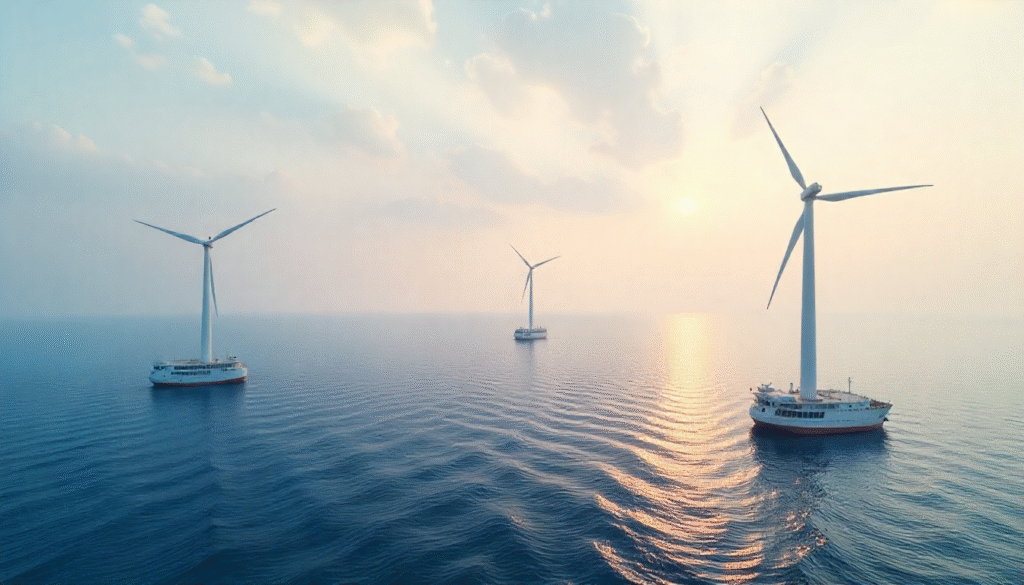
Floating Offshore Turbines: Deployed in deep-water sites with stronger winds, these platforms (e.g., Equinor’s Hywind project) expand offshore capacity.
-
Smart Blade Design: Sensor-equipped blades adjust pitch and angle using AI to maximize output and reduce noise.
Hydro and Bioenergy Advances
-
Tidal and Wave Systems: Predictable energy generation from ocean tides is expanding in Scotland and Canada.
-
Algae-Based Biofuels: High-yield fuels grown on non-arable land offer sustainable alternatives with minimal carbon footprint.
Clean Energy and Climate Policy Integration
Government climate policies provide a framework where renewable innovation can flourish.
-
Net-Zero Emissions Pledges: Over 130 nations have committed to net‑zero emissions by 2050, with legally binding policies emerging in Europe and elsewhere.
-
Carbon Pricing & Trading Systems: Market mechanisms penalizing carbon intensity make renewables increasingly competitive.
-
Incentives and Subsidies: Tax credits, grants, feed-in tariffs encourage solar, wind, and storage adoption—lowering upfront costs and stimulating private investment.
This policy ecosystem plays a pivotal role in enabling the future of renewable energy, influencing both innovation pace and consumer behavior.
Government Policies Driving Change
United States
The 2022 Inflation Reduction Act allocated over $369 billion to climate and energy initiatives. Federal tax credits fuel solar and wind expansion, while state-level net-zero electrification mandates (e.g., California’s 100% clean electricity by 2045) drive local momentum.
European Union
Under the European Green Deal, Europe aims to be climate‑neutral by 2050. The EU taxonomy guides sustainable investment, directing trillions in capital toward renewables and low-carbon infrastructure. Germany, Denmark, and Spain already harvest 30–50% of their electricity from renewables.
Asia-Pacific
-
China leads globally in solar panel manufacturing and installed capacity, exceeding 300 GW.
-
India’s Solar Mission targets 280 GW by 2030, scaling up rooftop and large‑scale solar projects.
-
Australia invests heavily in solar, wind, and green hydrogen exports, leveraging abundant sunlight and wind resources.
These national policies not only reduce emissions but also restructure global energy trade, supply chains, and geopolitical alignment.
Economic Impacts of Renewables Investment
The shift to renewable energy is reshaping economic landscapes across multiple dimensions.
Employment and Local Economies
IRENA estimates 13.7 million global workers in renewable sectors in 2022, projected to reach 38 million by 2030. These roles—spanning installation, maintenance, manufacturing, finance, and tech development—are localized, long-term, and often yield higher wages compared to fossil fuel jobs.
Financial Ecosystem and ESG Growth
By 2022, global ESG assets surpassed $35 trillion, with clean energy projects forming a major share. Green bonds, sustainable infrastructure funds, and public-private ventures support large-scale deployment and innovation.
Cost Competitiveness of Renewables
Costs for solar and wind have fallen below coal and natural gas in many regions. The levelized cost of electricity (LCOE) now favors renewables, especially when factoring in carbon pricing or operational savings. Data increasingly affirms that clean energy is both environmentally smart and economically prudent.
Environmental Benefits and Trade-offs
Renewables offer clear environmental advantages—but also raise some ecological concerns.
Advances in Emissions Reduction
Renewables produce minimal carbon emissions during operation. According to the U.S. EPA, broad adoption of clean electricity could eliminate 1.8 billion metric tons of CO₂ annually—comparable to removing 400 million cars from the road.
Public Health Gains
Unlike fossil fuel plants, solar and wind don’t release harmful pollutants. This improves air quality and reduces water usage, especially critical in regions facing water scarcity or heavy smog.
Sustainability Challenges
Some renewable technologies require rare-earth elements, raising issues around mining and recyclability. Wind farms can affect bird migration, and large solar installations may require extensive land. Yet lifecycle assessments demonstrate significantly lower total environmental impact compared to fossil fuels, especially with improved design, regulation, and material recycling.
Private Sector and Green Technology Firms
While policy sets the stage, private firms are driving real-world deployment and innovation.
Major Clean Tech Companies
-
Tesla leads in EVs, solar rooftops, and lithium-ion battery storage.
-
Ørsted shifted from fossil fuels to become a top producer of offshore wind.
-
Enphase, SunPower, First Solar offer advanced solar microinverters, panels, and residential solutions.
Climate Tech Startups
Companies like Heliogen (AI solar) and Climeworks (carbon capture) innovate at the edge of possibility. Venture capital funding reached $70 billion in 2023, indicating high investor confidence in emerging green technologies.
Corporate Sustainability Pledges
Tech giants such as Apple, Amazon, and Microsoft now aim for 100% renewable energy usage. These commitments extend through global supply chains affecting thousands of smaller businesses.
Platforms like x22report.com scrutinize such pledges—probing their authenticity or strategic motives—but the private sector’s role in building the future of renewable energy is undeniable.
Digitalization in the Clean Energy Sector
Digital systems are evolving hand-in-hand with renewable infrastructure.
Artificial Intelligence & Predictive Analytics
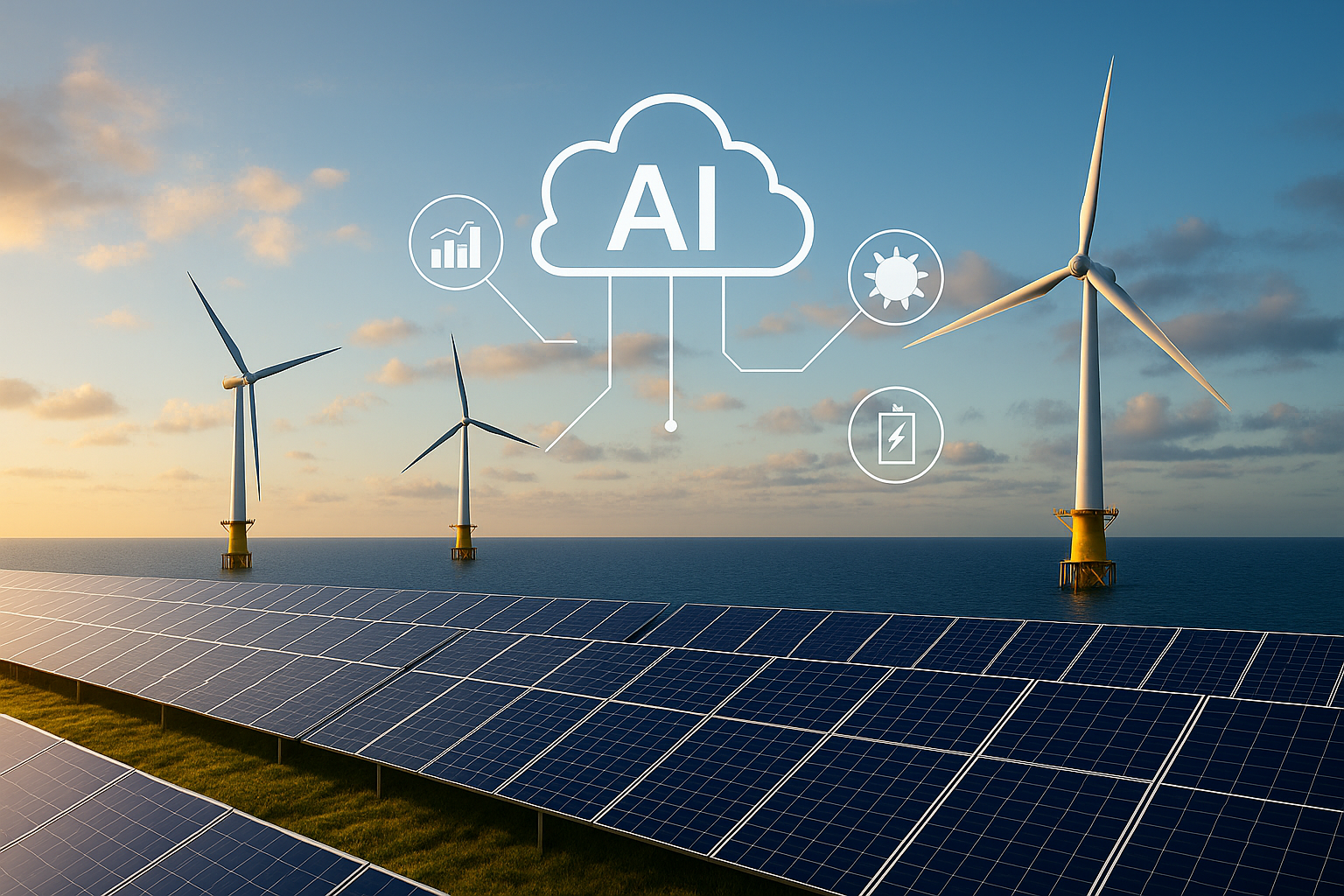
AI forecasts energy generation based on weather, anticipates equipment failures, and optimizes resource dispatch. This is essential for balancing the intermittent nature of wind and solar.
IoT Devices & Smart Grids
Connected sensors, smart meters, and intelligent appliances allow real-time energy management. Consumers can adjust usage dynamically, while utilities gain deeper insights into grid health and demand patterns.
Blockchain and Decentralized Trading
Peer-to-peer energy trading—where households sell surplus solar power directly to neighbors—is being piloted in Germany and Australia, enabled by blockchain platforms that bypass centralized utilities.
These digital tools ensure that clean energy isn’t just sustainable, but adaptive, efficient, and democratized.
Public Perception and Media Influence
How clean energy is viewed by citizens influences adoption and policy.
Alternative Media Perspectives
x22report.com and similar platforms challenge mainstream narratives, questioning the sincerity of climate policy, transparency of green finance, and influence of global institutions. While this skepticism sometimes slows adoption, it also ensures accountability and deeper scrutiny.
Mainstream vs. Independent Messaging
Mainstream outlets promote renewables as necessary for climate action, whereas independent commentary may highlight risk of centralized control or hidden agendas.
Community Engagement and Education
Studies show that when communities understand direct benefits—like lower utility bills or cleaner air—support for renewables grows strongly. Grassroots efforts, school programs, local clean-energy projects help build trust and informed engagement.
Energy Storage and Battery Innovation
Reliable storage is essential for a high-renewables grid.
Lithium-Ion and Beyond
Lithium-ion batteries dominate today’s market, but limitations in resource supply and safety prompt exploration of solid-state and flow batteries.
-
Solid-State Batteries: Safer, denser energy storage for mobile and grid use.
-
Flow Batteries: Scalable and ideal for long-duration storage.
Grid-Scale Storage Applications
Massive installations—such as Tesla’s Hornsdale Power Reserve in Australia—demonstrate how battery storage smooths demand peaks, avoids blackouts, and integrates intermittent generation.
Seasonal and Long-Term Storage
Green hydrogen, compressed air, and pumped hydro offer ways to store energy for days or even months, vital for regions with seasonal renewables variability.
Renewable Energy in Developing Nations
Emerging economies are leapfrogging older systems with renewables.
Energy Access and Economic Growth
Countries in Africa and Asia are deploying decentralized solar and microgrid systems to supply electricity in off-grid regions. This promotes education, healthcare, and entrepreneurship.
International Partnerships
Programs backed by the World Bank and UN support renewable infrastructure in developing nations. They finance solar parks, wind farms, and off-grid systems that bypass fossil fuel development entirely.
Green Deal Diplomacy
Countries like Morocco and Costa Rica show that renewables can fully power nations—boosting foreign investment and climate prestige.
Challenges in Renewable Expansion
Despite immense promise, renewables face hurdles.
Grid Integration and Infrastructure Limits
Upgrading aging transmission networks is expensive. Intermittent generation requires flexible grid management technologies (e.g., storage, demand response).
Land and Resource Conflicts
Large solar farms or wind parks may require valuable land, sometimes pushing against agricultural, protected, or indigenous territories.
Policy Inconsistency and Political Risk
Political shifts can reverse renewable mandates. Example: subsidy withdrawal can stall solar markets rapidly.
Supply Chain Vulnerabilities
Components like rare-earth magnets, battery materials, and semiconductors rely on global supply. Disruptions—whether geopolitical or pandemic-related—can slow deployment.
Success Stories in Renewable Transformation
Nations demonstrating scalable clean energy solutions offer key lessons.
Denmark
More than 50% of Denmark’s electricity comes from wind power. Its cooperative ownership models and strong government incentives are globally emulated.
Costa Rica
Over 95% of its electricity often comes from hydro, wind, geothermal, and solar. The country has proven near-carbon-neutral electricity is economically viable.
Morocco
Home to Noor Ouarzazate—the world’s largest solar farm—Morocco aims for 52% of its electricity from renewables by 2030. The project also supports green hydrogen development.
These examples highlight the future of renewable energy as not just theoretical, but proven.
Future Predictions and Trends to 2030 and Beyond
1. AI-Optimized Smart Grids
Artificial intelligence will coordinate solar, wind, storage, and demand. These grids can forecast consumption, automate balancing, and reduce losses.
2. Hydrogen Economy Emerges
Green hydrogen—produced via renewable-powered electrolysis—will serve as both fuel and energy storage. By 2030, government and corporate investments aim to bring cost down dramatically.
3. Hybrid Systems and Sector Coupling
Energy systems will increasingly link electricity, transport, heat, and industrial demand. Electric vehicles, heat pumps, and hydrogen-based industry enable flexible, integrated energy use.
4. Local Energy Autonomy
Communities will generate, store, and manage their energy locally via microgrids, P2P trading, and smart management platforms. This decentralized model enhances resilience and inclusivity.
5. Innovation Beyond Today’s Horizons
Emerging technologies like perovskite-silicon tandem cells, floating solar, wave-tidal hybrids, and direct air capture linked with energy systems could transform physics of energy production.
By 2030, renewables may supply over 40–50% of global electricity, with energy storage and hydrogen balancing supply for industries and households.
x22report.com’s Role in the Renewable Narrative
While x22report.com doesn’t focus exclusively on energy, its content frames broader debates about global agendas, centralization of control, and systemic risk. Some perspectives challenge the motives behind renewable policy or question whether ‘green finance’ advances elite interests. Others warn against overreach in incentives or misalignment between climate goals and economic realities.
Yet platforms like this also catalyze deeper analysis, demand transparency, and remind decision‑makers that public buy-in matters. In the future of renewable energy, media discourse—from mainstream to alternative—shapes perception, trust, and ultimately adoption.
Conclusion: The Road Ahead
As we approach 2030 and beyond, the future of renewable energy stands at the intersection of innovation, policy, finance, and public confidence. Advances in solar, wind, hydro, bioenergy, storage, and digital systems are reshaping how we generate and use electricity. Government policies—from the IRA in the U.S. to the EU Green Deal and Asia-Pacific strategies—provide critical momentum. Private firms and startups bring vision and investment. Meanwhile, public perception—shaped by media platforms like x22report.com—will determine how smoothly societies adapt.
Challenges remain: grid adaptation, resource constraints, land use, and geopolitical vulnerabilities. Yet success stories in Denmark, Costa Rica, and Morocco—even amid skepticism—signal a path forward. The combination of clear policy, scalable innovation, and transparent communication can accelerate transition. The future of renewable energy is not merely technological progress—it’s a societal transformation toward resilience, sustainability, and shared prosperity.
External Resource
For detailed projection data and policies behind global renewable trends, consult the International Energy Agency’s World Energy Outlook 2024 (https://www.iea.org)—a credible source guiding energy strategy and investment worldwide.
Frequently Asked Questions (FAQs)
1. What does “future of renewable energy” mean?
It refers to the projected development trajectory of clean power technologies—such as solar, wind, hydro, bioenergy, battery storage, hydrogen, and grid digitalization—from 2025 through 2030 and beyond. This encompasses innovation, policy shifts, investment trends, and societal adoption.
2. How are governments driving renewable energy adoption?
Through net-zero commitments, carbon pricing, subsidies (e.g., tax credits, feed‑in tariffs), regulatory mandates, and research funding. Examples include the U.S. Inflation Reduction Act, EU Green Deal, India’s Solar Mission, and China’s scale-up of renewables.
3. What economic benefits does renewable energy bring?
Renewables generate local jobs, stabilize energy costs, attract green investment, reduce price volatility tied to fossil fuels, and lower public health expenditures due to cleaner air and water.
4. What are the environmental downsides of renewable energy?
Potential concerns include land use conflicts, biodiversity disruption (e.g., wind vs. birds), mining impact for rare-earth materials, and end-of-life recycling of solar panels or batteries. However, lifecycle studies consistently show lower overall ecological harm compared to fossil fuels.
5. How will energy storage shape the renewable future?
Storage technologies like lithium-ion, solid-state, flow batteries, green hydrogen, pumped hydro, and compressed air enable smoothing of intermittent generation, ensure grid resilience, and balance long-duration supply-demand mismatches.
6. How much will renewables contribute by 2030?
According to the IEA and IRENA, renewables may supply 40–50% of global electricity by 2030. Coupled with storage and efficiency gains, countries can make major strides toward net-zero emissions while improving energy security.